

Pharmaceutical Bottle Blow Moulding Machine
SUZHOU BESTAR BLOW MOLDING MACHINERY Co., Ltd, located in Zhangjiagang city, Jiangsu Province, is a notable member of the BEIER MACHINERY GROUP. Established in 1998, BEIER MACHINERY GROUP has grown into one of China’s largest plastic machinery manufacturers. Their operations span over 120,000 square meters and employ more than 400 staff members.
Product Range
BESTAR’s blow molding machines are designed to produce HDPE and PP articles, which are essential for various applications such as: food and beverage packaging, daily chemical products packaging, chemical stacking barrels, and automobile engine oil packaging. The machines can handle volumes ranging from 20ml to 30L, catering to diverse production needs.
Advanced Technology
BESTAR's blow molding machines use advanced MC-ML (multiple cavities multiple layers) technology, known for its efficiency and cost-effectiveness. This state-of-the-art technology helps to reduce each article′s production cost without compromising article′s quality or appearance.
Professional Installation
BESTAR offers comprehensive installation services through a trained team with extensive experience. The team is equipped with the necessary skills and tools to ensure efficient and reliable installation.
Quick Response
To minimize downtime, BESTAR has local professional service technicians positioned across the country. They aim to arrive on-site within 2 hours to provide prompt and effective maintenance solutions.
Accessories Supply
BESTAR maintains a large inventory of high-quality, original accessories and kits. All accessories are subjected to strict factory testing to ensure they meet specifications and support continual, trouble-free operation.
Leading Service
We have many years of industry experience, a complete production management, quality supervision, and sales service operation system. Whether you want to purchase Food Beverage Blow Molding Machine or Daily Chemical Blow Molding Machine, just email your requirements and we can customize the product for you.
What is a Pharmaceutical Bottle Blow Moulding Machine
A Pharmaceutical Bottle Blow Moulding Machine is a specialized piece of equipment used to manufacture plastic bottles intended for pharmaceutical products. It is mainly used in the pharmaceutical plastic packaging industry. Blow molding process by heating plastic particles into a liquid form, the liquid form of raw materials into the mold cavity, and it will form a plastic bottle by blowing air into the mold cavity.


Benefits of Pharmaceutical Bottle Blow Moulding Machine
Low Tooling Costs
One of the biggest advantages of blow molding is its relatively low tooling costs compared to injection molding. The simpler mold designs required for blow molding can significantly reduce initial setup expenses, making it an economical option for small and large production runs. This cost-effectiveness is especially beneficial for startups or projects with limited budgets.
Versatile Molds
Blow molding offers various mold configurations, including single-cavity, dual-cavity, and multi-cavity molds. This versatility allows for the production of products with complex or irregular shapes, which might be challenging or impossible to create using other manufacturing methods. Whether you need simple containers or intricate designs, blow molding can accommodate your needs.
Faster Cycle Times
Compared to rotational molding (roto-molding), blow molding has significantly faster cycle times. This efficiency means you can produce more parts in less time, increasing your overall productivity and reducing lead times. Faster production cycles are required in today’s competitive market, allowing you to meet customer demands quickly and efficiently.
High-Volume Production
Blow molding is ideal for high-volume production runs. The process is highly repeatable, ensuring consistent quality across large quantities of products. Whether you need hundreds or thousands of parts, blow molding can handle the demand without compromising on quality. This repeatability is essential for maintaining brand integrity and customer satisfaction.
Wide Range of Products
Blow molding can produce a vast array of products in different shapes and sizes. From small, intricate components to large, robust containers, this flexibility makes blow molding suitable for various industries, including automotive, packaging, medical, industrial sectors, and more. The ability to produce such a diverse range of products makes blow molding a versatile solution for many applications.
Long-Lasting Tooling
With proper maintenance, Pharmaceutical Bottle Blow Moulding Machines can last years, providing excellent value for your investment. Durable tooling ensures that you can rely on your molds to produce consistent, high-quality parts over extended periods, reducing the need for frequent replacements and minimizing downtime.
Components of a Pharmaceutical Bottle Blow Moulding Machine

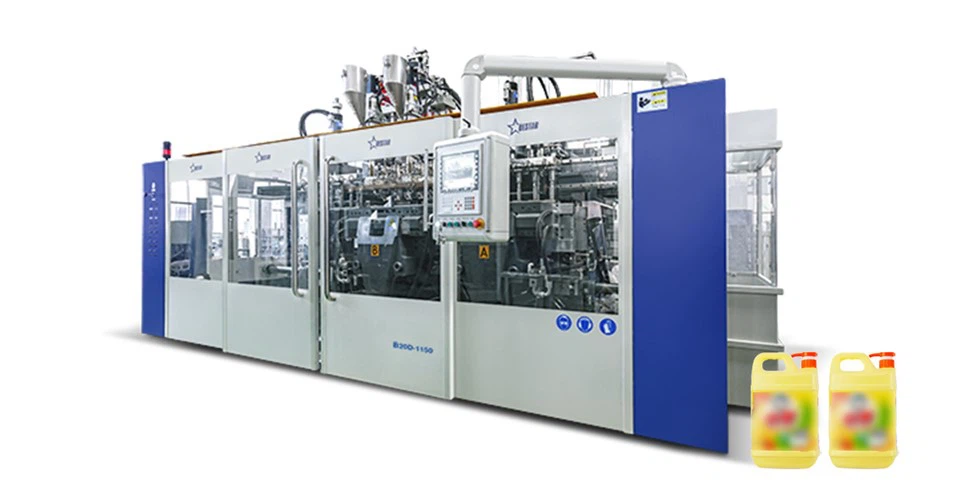


Extrusion System
At the heart of a Pharmaceutical Bottle Blow Moulding Machine lies the extrusion system. This critical component consists of an extruder, which melts and homogenizes the plastic raw material, typically in the form of pellets or granules. The extruder has a screw mechanism that compresses, heats, and pushes the molten plastic towards the die head for further processing.
Die Head
The die head is responsible for shaping the molten plastic material. It consists of a mold and a shaping cavity, which determines the final shape and size of the product being produced. Different die heads can be used interchangeably to create a wide range of plastic products, such as bottles, containers, and automotive parts.
Clamping System
To ensure the stability and precision of the blow molding process, a robust clamping system is essential. This system comprises two platens that hold the mold in place during the production cycle. The clamping force applied prevents any deformation or misalignment of the mold, resulting in consistent and high-quality plastic products.
Hydraulic and Pneumatic Systems
The hydraulic and pneumatic systems of a Pharmaceutical Bottle Blow Moulding Machine provide the necessary power to operate various mechanical and automated functions. The hydraulic system generates the required force for the clamping system, while the pneumatic system controls the movement of the different machine components, such as the die head and the extruder.
Types of Pharmaceutical Bottle Blow Moulding Machines
Extrusion Blow Molding
Extrusion blow molding is the most commonly used type of Pharmaceutical Bottle Blow Moulding Machines. It involves melting plastic and forming it into a parison, which is then placed in a mold and inflated to create the desired shape. This process is ideal for producing large quantities of hollow plastic products such as bottles, containers, and tanks.
Injection Blow Molding
Injection blow molding combines both injection molding and blow molding processes. It involves injecting molten plastic directly into a mold cavity, which is then blown and cooled to form the final product. This type of Pharmaceutical Bottle Blow Moulding Machine is suitable for producing complex shapes with high accuracy and precision.
Stretch Blow Molding
Stretch blow molding is commonly used for the production of PET bottles and containers. It involves stretching a preform (a tubular piece of plastic) in both axial and radial directions to create the desired shape. This type of blow molding machine is known for its high production speed and efficiency, making it suitable for applications that require large quantities of bottles.
Compound Blow Molding
Compound blow molding combines elements of both extrusion blow molding and injection blow molding. It is commonly used for producing products that require a combination of rigid and flexible components, such as automotive parts, medical devices, and sporting goods. This type of blow molding machine offers versatility and the ability to create complex structures.
Regular cleaning and lubrication procedures are essential for maintaining the functionality and longevity of Pharmaceutical Bottle Blow Moulding Machines. Here is the step-by-step process of cleaning and lubricating your blow molding machine, highlighting the key aspects that need attention.
Cleaning the Exterior
Start by powering off the machine and disconnecting any electrical connections. Wipe down the exterior with a damp cloth to remove dust and debris. Pay particular attention to the control panel and switches, ensuring they are free from any dirt or grime. Use a mild detergent to clean any stubborn stains, but avoid using harsh chemicals that may damage the surface.
Cleaning the Hopper and Material Feeding System
The hopper is the container that holds the raw material used in the blow molding process. Regular cleaning of the hopper is crucial to prevent contamination and ensure a consistent flow of material. Begin by removing any remaining material from the hopper. This can be done by manually scooping out the material or using a vacuum system. Once the hopper is empty, use a brush or cloth to clean the interior thoroughly. Pay close attention to the corners and crevices where material may accumulate. Lastly, ensure that the material feeding system, including the feeding tube and nozzle, is also cleaned to prevent clogs or blockages.
Cleaning the Die Head
The die head is a critical component of the Pharmaceutical Bottle Blow Moulding Machine that shapes the raw material into the desired product. Regular cleaning of the die head is necessary to maintain its efficiency and prevent defects in the final products. Start by removing any residual material from the die head. This can be achieved by disassembling the die head and using a cleaning solution to dissolve any stubborn residue. Gently scrub the parts and rinse them thoroughly with water to ensure all traces of the cleaning solution are removed. Once clean, reassemble the die head carefully, following the manufacturer's instructions.
Lubrication
Proper lubrication is vital for the smooth operation of a Pharmaceutical Bottle Blow Moulding Machine. Lubricate all moving parts, such as the bearings, guide rails, and gears, using a high-quality lubricant. Be sure to follow the manufacturer's recommendations regarding the type and frequency of lubrication. Over-lubricating can attract dust and dirt, causing more harm than good. Regularly inspect the lubricated parts for any signs of excessive wear or degradation and replace them promptly if necessary.
Safety Measures
While performing maintenance on the Pharmaceutical Bottle Blow Moulding Machine, always prioritize safety. Ensure that the power is disconnected, and the machine is properly locked out before cleaning or lubricating any components. Wear appropriate personal protective equipment, including gloves and goggles, to protect yourself from any potential hazards. Familiarize yourself with the machine's manual and follow all safety guidelines provided by the manufacturer.
Common Issues of Pharmaceutical Bottle Blow Moulding Machine
Leakage occurs in the blow molding process when the gap between the blow pin nozzle and the mold is too wide. Leaks can also be caused by a tear in the product’s wall, contaminated plastic resin, or poor welding of the molding plastic. To prevent leakage, be sure that your Pharmaceutical Bottle Blow Moulding Machine must make the blow pin nozzle and the mold a perfect match.
All bottles have a feature on the bottom known as the push-up, where the center of the bottle curves inward at various degrees. This feature helps ensure plastic bottles, especially those for carbonated beverages, sit on the base's outer rim (feet). A rocker bottom occurs when the plastic products are too hot after molding. The plastic then protrudes outward instead of inward and causes the bottle to rock instead of standing straight. Rocker bottom can also occur, though rarely, when the residual air pressure inside the bottle pushes the center of the bottom out. To prevent rocker bottom, ensure you allow for adequate exhaust and cooling time, your blow molding vent is clean, the melt temperature is not too hot, and the cycle time is not too fast.
Sometimes the defects on the surface wall of the molded product are barely noticeable, like tiny black spots. Other times, it’s quite obvious: horizontal ring-like lines, vertical streaking lines, and bubbles. These defects can be caused by foreign matter, recycled resin, old resin stuck inside the extruder die head, excess moisture, the parison thickness controller moving the die too fast, or the parison wall coming in contact with the cold mold surface twice instead of once.
Uneven wall thickness happens when one part of the preform begins to stretch first, making it harder for the rest of the product to stretch to the same thickness. This problem can occur because of an off-center gate, uneven heating and cooling, and small stretch ratios.
Frequently Asked Questions
Find professional pharmaceutical bottle blow moulding machine manufacturers and suppliers in China here! Please feel free to buy high quality pharmaceutical bottle blow moulding machine for sale here from our factory. For more information, contact us now.
Medicine Bottle Blow Moulding Machine, Medical Stacking Barrel Blow Moulding Machine, Dialysate Barrel Blow Moulding Machine